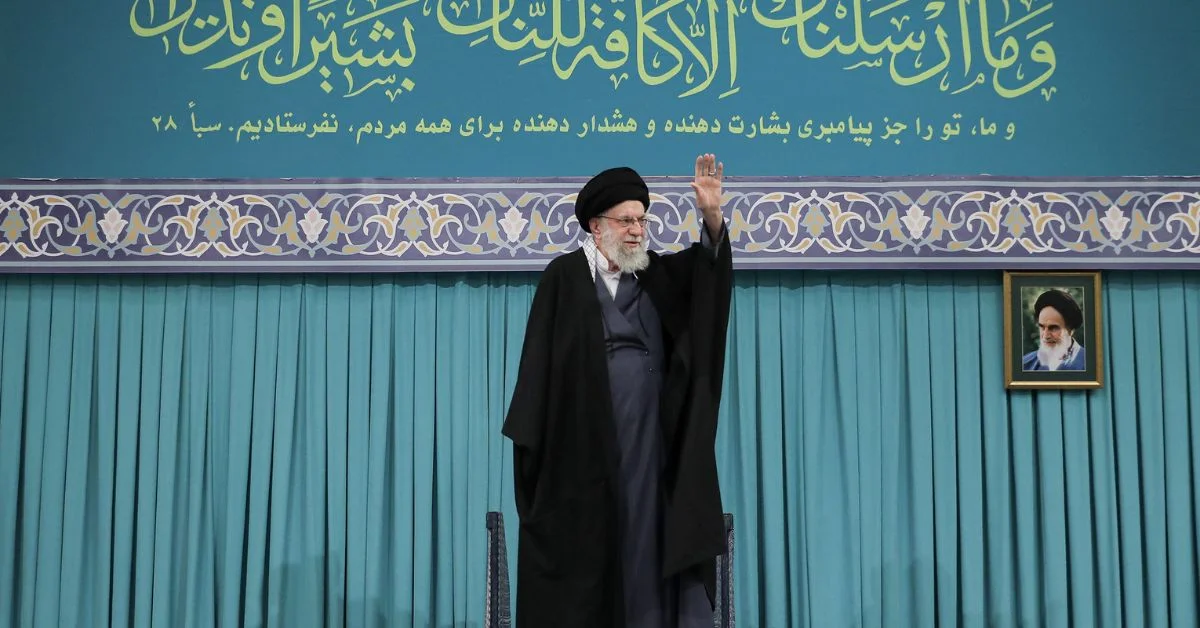
Iran’s Supreme Leader, Ayatollah Ali Khamenei, died following Israeli and American airstrikes on his fortified compound, according to Iranian state television, as reported by NDTV.
Ayatollah Khamenei has held the title of Supreme Leader of Iran since 1989, when he was appointed to the top position of Iran’s theocracy. His authority surpasses Iran’s elected government because he serves in the position of head of state.
For more than three decades, Ayatollah Khamenei has had a profound influence on the development of Iranian politics, foreign relations, military policy, and ideological identity. As a result, Khamenei has played an important role in shaping the geopolitical landscape of the world.

Image source: Khamenei.ir
Ayatollah Ali Khamenei Biography, Wikipedia, Age, Birthpalce, Wife, Father’s Name, and More.
| Field | Details |
| Full Name | Sayyid Ali Hosseini Khamenei |
| Popularly Known As | Ayatollah Ali Khamenei |
| Date of Birth | April 19, 1939 |
| Age (at time of death) | 85 years |
| Place of Birth | Mashhad, Iran |
| Nationality | Iranian |
| Religion | Shia Islam |
| Religious Title | Ayatollah |
| Political Position | Supreme Leader of Iran |
| Tenure as Supreme Leader | 1989 – 2026 |
| Former Position | President of Iran |
| Presidential Term | 1981 – 1989 |
| Political Ideology | Wilayat-e-Faqih, Anti-Western, Islamic Governance |
| Father’s Name | Ayatollah Sayyid Javad Khamenei |
| Marital Status | Married |
| Wife’s Name | Mansoureh Khojasteh Bagherzadeh |
| Children | Several (sons and daughters) |
| Known For | Second Supreme Leader of Iran, Regional Influence |
| Assassination Attempt | Survived attack in 1981 (right arm paralyzed) |
| Date of Death | Reported in 2026 |
| Place of Death | His compound, Iran |
| Cause of Death | Israeli-US airstrikes (as per Iran state TV) |
Table of Contents
Early Life and Family Background
Ayatollah Khamenei was born in Mashhd on 19-April-1939, a city known as the second largest city in Iran and an important center for Shiite religious pilgrimage; his name indicates that Khamenei is said to be a descendant of the prophet Muhammad, which has great religious significance within Shia Islam.
Khamenei’s father was an ayatollah and was a highly respected ayatollah; he was a very pious man who lived a humble life of hardship. His family lived in poverty, but much of what Khamenei said is tied back to his upbringing and experience that has led him to develop his views on social justice and challenging Western imperialism.
When he was younger, he was also very interested in many areas, including studying Islam, Persian poetry, and Islamic philosophy; like most things, his passion for those subjects was heightened because of the natural connection he felt with both of his parents.
Khamenei Religious Education and Scholarly Formation
Khamenei started his religious studies in Mashhad, Iran, focusing on the following subjects:
- Quran interpretation
- Grammatical study of the Arabic language
- Islamic Jurisprudence (Fiqh)
Later, Khamenei moved to Qom, one of the leading cities in Iran for religious seminaries, where he studied under a variety of influential clerics, including Ayatollah Ruhollah Khomeini, who would become known as the leader of the Islamic Revolution of 1979.
In addition to traditional Islamic education, Khamenei developed a strong interest in the Persian monologues and poetry that were written in this language. He translated many Islamic and revolutionary texts into Persian from Arabic languages, thus helping to promote revolutionary Islamic thought among youth in Iran. These two areas of education have significantly influenced Khamenei’s public persona.
The Quranic gathering was held in the presence of Imam Khamenei, the Leader of the Islamic Revolution and a group of distinguished Quran reciters, on the first day of the holy month of Ramadan [Feb. 19, 2026] at the Imam Khomeini (ra) Hussainiyah. pic.twitter.com/o4jowtJ7bI
— Khamenei Media (@Khamenei_m) February 19, 2026
Opposition to the Shah and Revolutionary Activities
From 1960 to 1971, Iran was ruled by Mohammad Reza Pahlavi, who held two political principles in regard to the state:
- Pro-Western policies and
- Dictatorial rule.
As a result, Khamenei was vocally opposed to the Shah and inspired by Khomeini to seek to establish an Islamic government.
Consequently, Khamenei often:
- Arrested as a result of his political activism and criticism of the Shah.
- Interrogated or placed under surveillance by SAVAK (Shah’s Security Services) on several occasions.
- Placed under house arrest a number of times.
Despite this, Khamenei continued to help promote revolutionary ideas through sermons and underground networks, which gave him a reputation as an aba-adayar cleric.
Role in the 1979 Islamic Revolution
The Islamic Revolution of 1979 resulted in a major transformation of the political and governmental structures of Iran, as the ruling monarchy of the Shah was deposed and replaced with the Islamic Republic of Iran under Ayatollah Khomeini. Ali Khamenei was one of the first members in the post-revolutionary government and quickly advanced within the newly formed political system.
In order to provide you with a sense of his rapid ascent to power, below is a list of significant positions he held following the revolution:
- Member of the Revolutionary Council
- Deputy Minister of Defense
- Friday Prayer Leader in Tehran
- Representative of Ayatollah Khomeini to key military bodies.
These positions allowed Khamenei to be at the crossroads of religion, politics, and the military and elevated his profile nationally.
Presidency of Iran (1981–1989)
Ali Khamenei’s ascendance continued in 1981 when he was elected as Iran’s third president and held that position for two consecutive four-year terms until 1989.
The presidency coincided with the Iran–Iraq War (1980–1988), and Khamenei’s presidential policies were profoundly influenced by his desire to mobilize a national resistance to the Iraqis, strengthen Iranian defense institutions, and promote revolutionary ideology.
In 1981, Khamenei survived a failed assassination attempt during a public meeting, which resulted in the permanent paralysis of his right arm. The assassination attempt contributed to Khamenei’s revolutionary image.
Khamenei’s presidency was subordinate to the Supreme Leader, but Khamenei’s tenure as president gave him a wealth of experience in governance, diplomacy, and crisis management.

Image source: Khamenei.ir
Appointment as Supreme Leader in 1989
In June 1989, with the passing of Ayatollah Ruhollah Khomeini, Iran went through an important shift in leadership. The Assembly of Experts made Ali Khamenei the next Supreme Leader of the Islamic Republic of Iran.
This selection was mired in controversy due to:
- Khamenei not having the top clerical rank (Marja), and
- Changing the constitution shortly thereafter to give him the authority.
Initially people were skeptical of Khamenei’s abilities, but he eventually built the power of his office into the dominant institution in Iran through legal reforms.
Powers of the Supreme Leader
As the Supreme Leader, Ayatollah Ali Khamenei has vast powers and controls:
- The Iranian Armed Forces,
- The Islamic Revolutionary Guard Corps (IRGC),
- The Judiciary,
- State Media,
- The Guardian Council.
He also appoints senior officials and is in charge of
- Significant Foreign Policy Decisions,
- Nuclear Policy,
- National Security Issues.
Iran does conduct regular elections, but The Supreme Leader is still the highest authority within the Iranian government and his position is far more powerful than that of the elected president
Political Ideology and Vision
Khamenei is a strong believer in the Wilayat-e-Faqih concept, which provides Islamic jurists with authority over the state. He has three major ideological cornerstones:
- Resistance to Western influence
- Islamic governance
- Self-reliance and national sovereignty
Khamenei often admonishes the United States and Israel for being imperialists and destabilizing the region. Khamenei has pushed forward the concept of the “Axis of Resistance” through supporting and working with allied groups across the Middle East.
Foreign Policy and Regional Influence
Under the leadership of Khamenei, Iran has expanded its influence in:
- Iraq
- Syria
- Lebanon
- Yemen
He has provided support to groups such as Hezbollah and supported the Syrian government in the civil war. Khamenei was initially distrustful of the West, yet he has allowed for some engagement through indirect diplomacy like Iran’s involvement in the JCPOA (2015 Nuclear Deal), although he continues to be critical and cautious in public.
Khamenei’s leadership has created a foreign policy characterized by proxy relationships, resistance to sanctions, and strategic patience.
Controversies and Human Rights Criticism
Khamenei has been a controversial leader; his many critics routinely accuse him of:
- Suppressing dissent
- Restricting freedom of the press
- Using force to suppress protests
Numerous protests in 2009, 2019, and 2022 were met with strong crackdowns, causing international outcries. The human rights community has seen major failures on the part of Iran as a result of his leadership.
However, Khamenei has supporters who believe he has maintained an independent Iran
Personal Life and Interests
Ayatollah Khamenei, otherwise known as the Supreme Leader of Iran, has a wife (and potentially multiple wives) and many children, most of whom do not draw public attention. He has immense power, but his lifestyle is relatively modest in comparison to his position of authority.
He is very much a reader and poet and frequently quotes from earlier Persian poets in his speeches. His love and appreciation for culture and literature have contributed a great deal to the perception of his personality by the Iranian people.
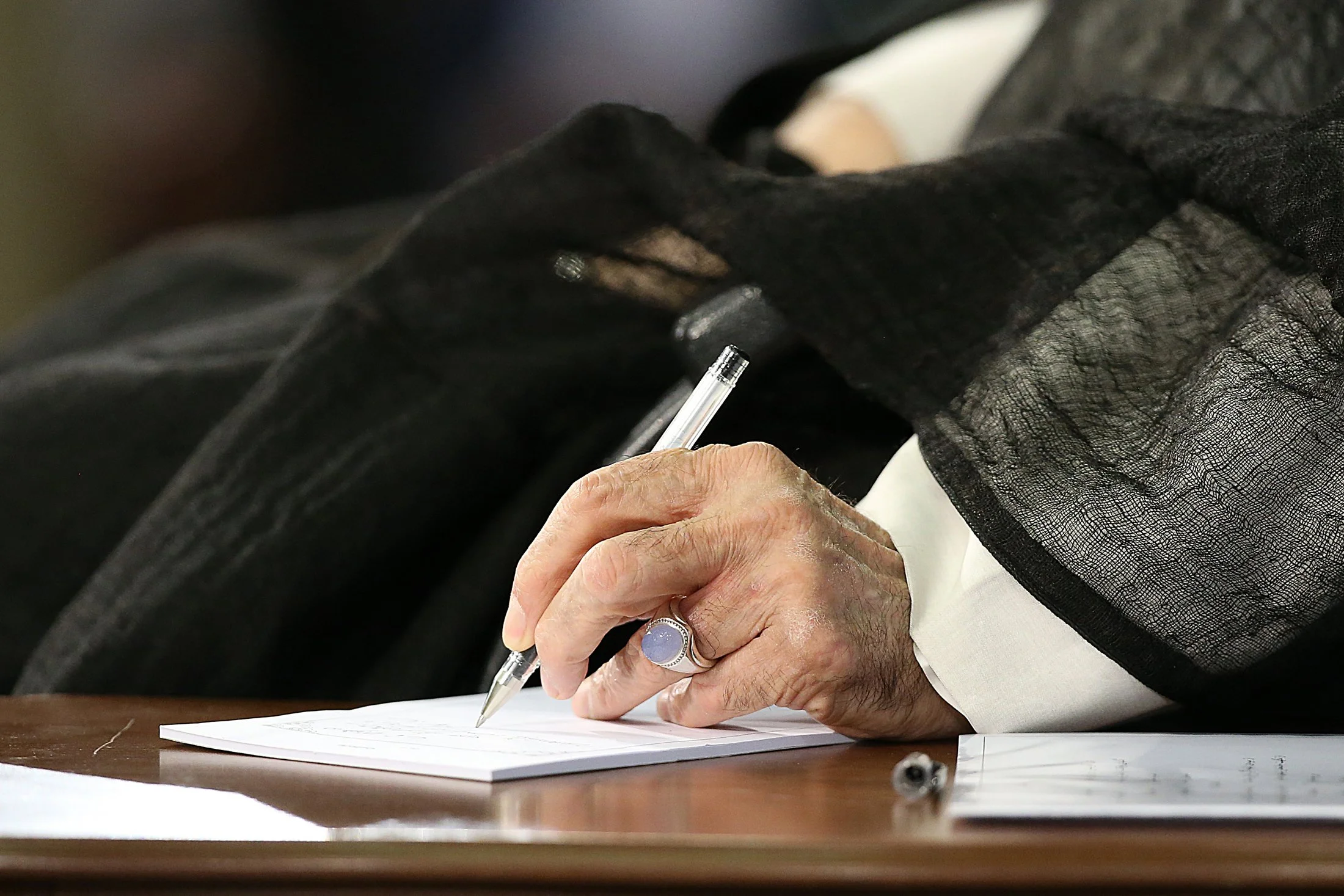
Image source: Khamenei.ir
Legacy and Future Outlook
More than three decades after taking office, Ayatollah Khamenei remains the focal point of Iran’s political structure as the Supreme Leader. He has described what it means to be Iranian ideologically (as opposed to Arab or Muslim) and how the country will pursue its agenda, defend itself against outside aggression, and approach foreign policy based on a stance of “resistance.”
As he becomes increasingly senior, both in terms of his age, and in terms of the period he has served against a backdrop of increasing questions related to his succession and Iran’s program going forward, Khamenei’s influence on Iran and the future of the Middle East remain key considerations for global political leaders
Also read: Who Was Maroof Raza? The Man Who Defined Responsible National Security Journalism in India

1 thought on “Ayatollah Ali Khamenei: Life, Power, Ideology and Global Influence of Iran’s Supreme Leader”